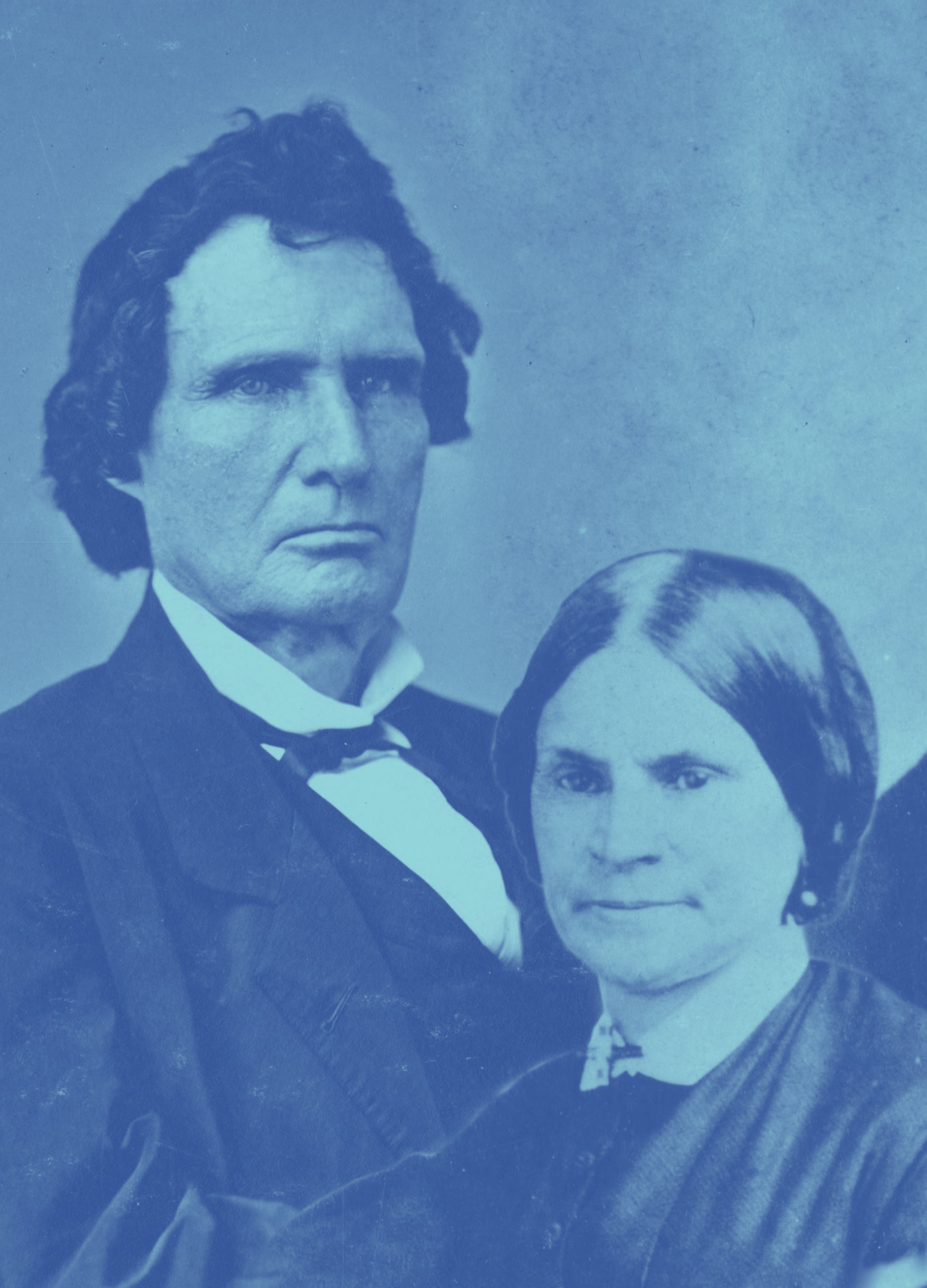
Thaddeus Stevens
Thaddeus Stevens was one of the most powerful and outspoken political leaders in America during the mid-1800s. A lawyer and lawmaker based in Lancaster, he built a national reputation as a fierce opponent of slavery and a champion of equal rights. During the Civil War and Reconstruction, he played a leading role in shaping policies to end slavery and expand citizenship and voting rights. Known for his sharp wit and unwavering principles, Stevens pushed the nation to live up to its promise of freedom, equality, and democratic rights for all.
Lydia Hamilton Smith
Lydia Hamilton Smith worked alongside Thaddeus Stevens in Lancaster and later in Washington, D.C. As his housekeeper, she managed his home and helped maintain a space for important political conversations and decisions. After Stevens’ death, she became a successful property owner and boardinghouse operator, building wealth and influence in a society that limited opportunities for Black women. Through both her work with Stevens and her own achievements, Smith played an important but often overlooked role in the struggle for freedom and equality.
The Lancaster They Called Home
In the mid-1800s, a network of roads, trains, and waterways connected Lancaster’s fertile farms to nearby towns and major cities like Philadelphia and Baltimore, tying the county to broader systems of trade and communication. This steady movement of people and products closely connected Lancaster County to the wider world.
But Lancaster’s importance went beyond commerce. The county’s location just north of the Mason-Dixon Line placed it at the edge of a divided nation. Enslaved people seeking freedom often crossed out of Maryland into Pennsylvania, passing through Lancaster County on their way north. Local Quaker communities, free Black residents, and other abolitionists formed networks of support—offering shelter, work, and guidance as freedom seekers continued their journeys. Some chose to settle in Lancaster, contributing to the county’s diverse population. Free Black residents built families, churches, schools, and successful businesses while navigating a society that limited their rights. Yet the threat of capture remained real, especially after the Fugitive Slave Act of 1850 strengthened the power of enslavers and their agents to pursue those who had escaped.
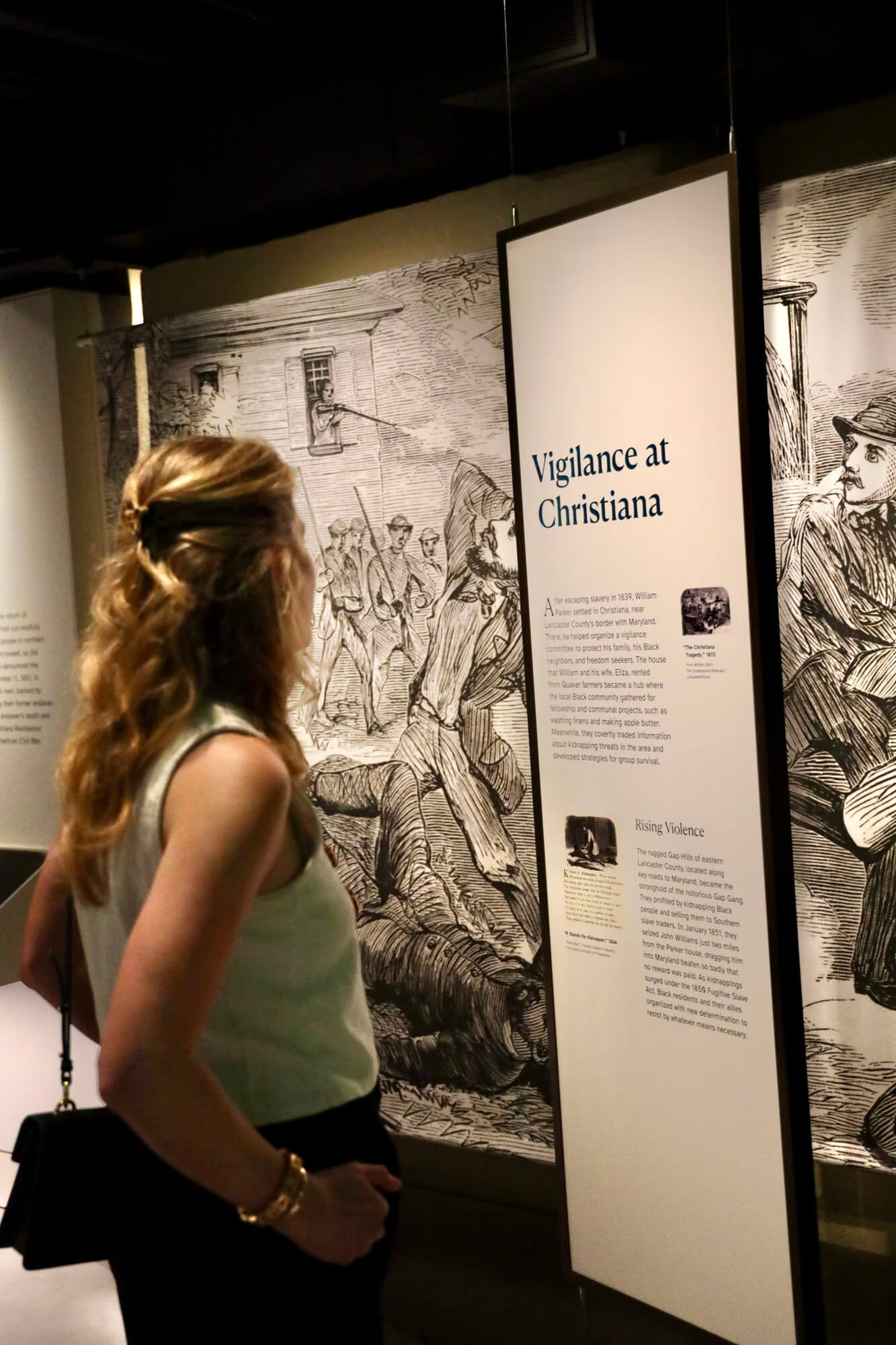
This tension made Lancaster a place of both refuge and resistance. Events like the Christiana Resistance of 1851, in nearby eastern Lancaster County, revealed just how high the stakes could be. When local residents defended a group of freedom seekers against an armed slaveholder and his posse, the confrontation turned deadly and led to a nationally watched treason trial. The outcome helped weaken federal efforts to enforce the Fugitive Slave Act, but it also underscored the deep divisions within the country.
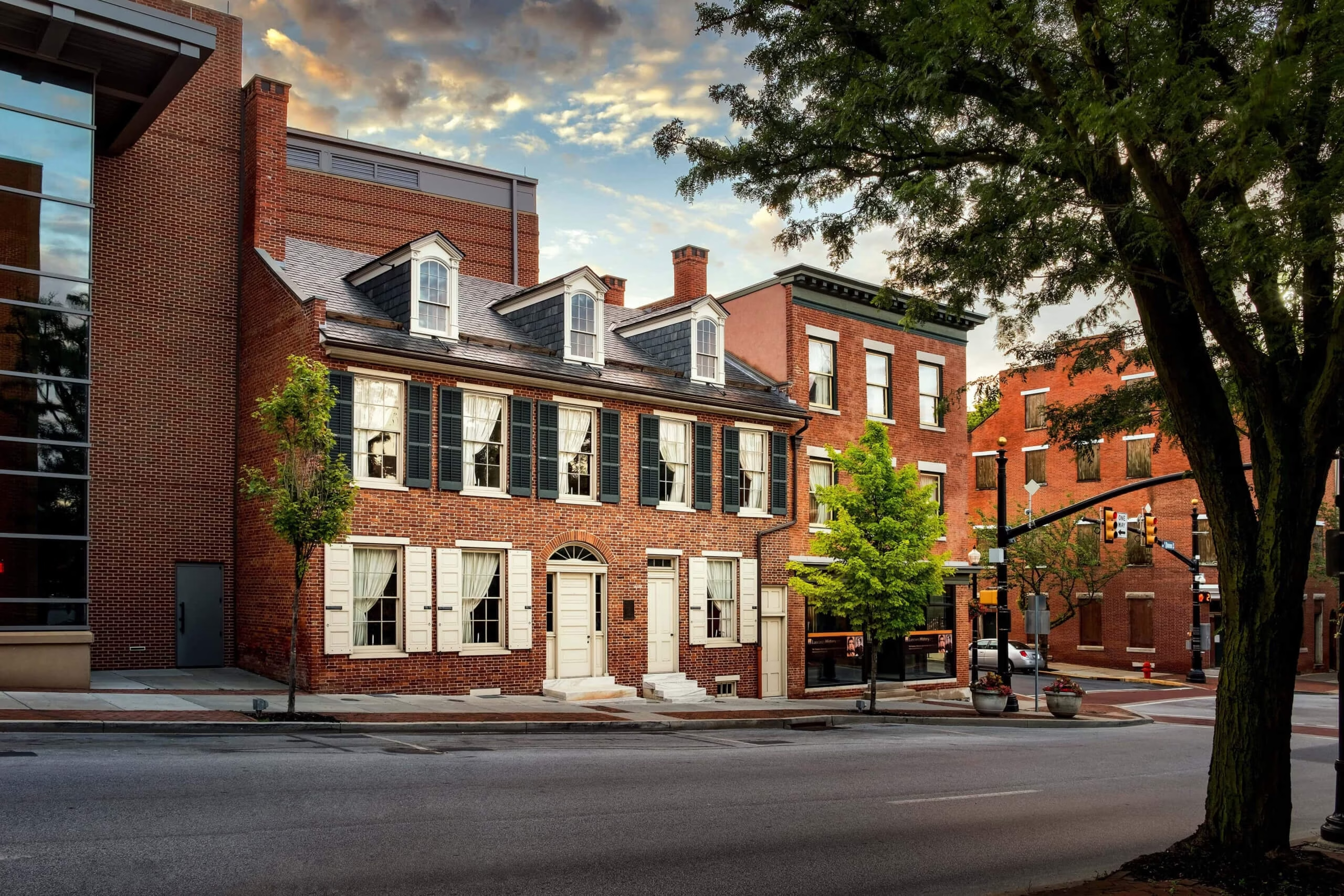
It was in this environment that Thaddeus Stevens established his home, law office, and political base. Located in Lancaster City within walking distance of the courthouse, markets, and major thoroughfares, his property placed him at the center of civic life. From here, Stevens built a national reputation as a lawyer, politician, and outspoken opponent of slavery. His home became more than a private residence—it was a place where clients sought legal counsel, allies gathered to plan political strategy, and conversations about the future of the nation unfolded.
At the heart of that home was Lydia Hamilton Smith, who managed the household and helped sustain its daily operations. Her work ensured that the space functioned smoothly, allowing Stevens to focus on his legal and political efforts. But the home was not simply a backdrop to his career. It was an active part of Lancaster’s role in the national struggle over slavery and freedom—a place where public and private lives overlapped, and where the work of change often began in quiet, everyday moments.
Lancaster in this period was not just a setting for history—it was an active participant in it. The city’s location, its people, and its institutions all shaped how national conflicts played out on a local level. For Stevens and Smith, Lancaster offered both opportunity and challenge: a place where they could build lives, exercise influence, and take part in some of the most important debates of their time.
Today, understanding the Lancaster they called home helps us see how national history is rooted in local places. It reminds us that the struggle for freedom, equality, and democracy did not happen only in distant capitals or on battlefields. It also unfolded in city streets, in meeting houses, and within homes—where ordinary routines and extraordinary decisions came together to shape the course of a nation.